

• Inicio
  • Offer
  • Flights
  • Santander, Cantabria

Fly to Santander from 2774800 ARS round trip

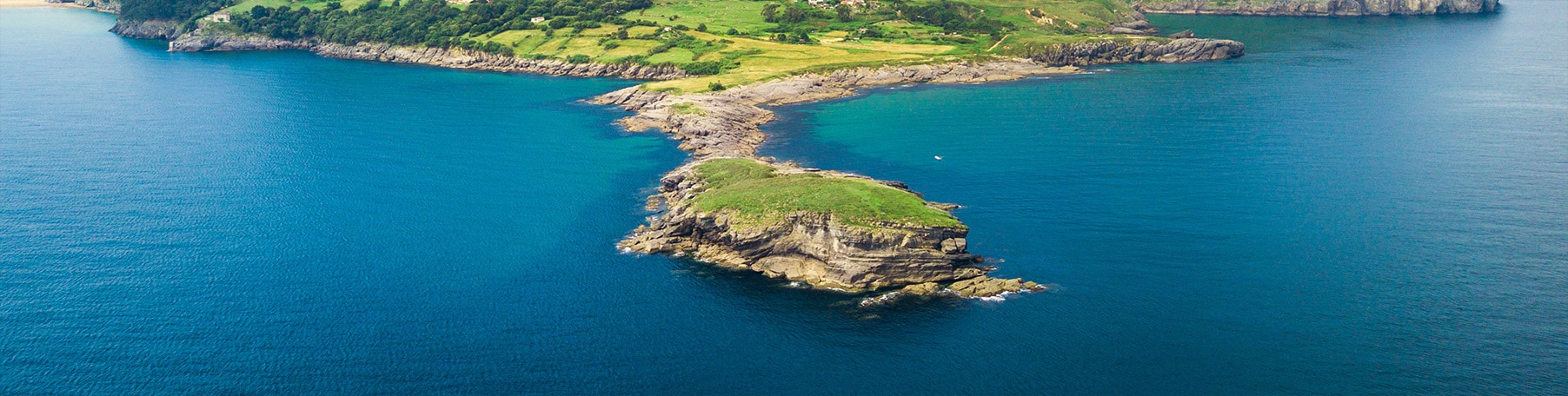
Come to the place where culture and nature go hand in hand. Let yourself be captivated by its unique landscapes, such as those of the Costa Quebrada Geopark, a spectacular stretch of coastline some 20 kilometres long that runs from Santander Bay to Puerto Calderón, in Santillana del Mar. Along this route, you can enjoy a journey through history, taking in both sea and land, from prehistoric times to the present day and from underground to the sky. Cantabria is endless.

Logotipo


Prehistoric
caves


Costa Quebrada is a place of stunning natural beauty, with its impressive geological formations and rich landscape. Visiting it is an enriching experience, offering the chance to discover Cantabria's natural beauty and learn about the area's geological history. It is a symbiosis between its spectacular geological heritage, recognised as a UNESCO Global Geopark, and its coastal tradition. In addition, it stands out for its scientific outreach, which has been further enhanced by its prehistoric caves adorned with cave paintings, such as those at Altamira and El Pendo.

Visiting Altamira and El Pendo offers unparalleled insight into the Palaeolithic era. Highlights include the Neocave of Altamira (an exact replica of the "Sistine Chapel" of cave art) and the impressive frieze of red paintings at El Pendo. Both help you to understand the lives, art and tools of our ancestors.


Santander
bay


Overlooking the Bay—one of the most beautiful in the world—alongside its architectural gems and its fantastic promenade filled with museums, you’ll discover the only city in the north that faces south. Without a doubt, the Mirador de Peña Cabarga is one of the best places to take in 360-degree views of Cantabria. From here, you can see the Monument to the Indiano and feel as though you could take flight once more.

Moreover, the Bay of Santander is a cultural and natural epicentre in northern Spain, and has been part of The Most Beautiful Bays in the World Club since 1997. It boasts historical heritage, contemporary art at the Centro Botín, palatial architecture at the Palacio de la Magdalena, and, of course, a protected natural environment.


Pasiego
valleys


Exploring the Pasiego Valleys is a true delight, where you can discover more prehistoric rock art and Romanesque heritage. You can also enjoy their green meadows dotted with log cabins, forming one of the most distinctive landscapes, cultures, and ways of life in Spain.

These valleys harbour a unique culture rooted in transhumant pastoralism, high mountain livestock farming, and an austere rural life that has shaped a landscape of pastures and scattered log cabins. Museums such as the Ethnographic Museum of Pasiego Life or the Museum of Pasiego Wet Nurses offer a clear insight into the local way of life.


Did you know?


Cantabria is a region with a rich and distinctive cultural identity, renowned for having the world's highest concentration of rock art and for being the birthplace of speleology. An unbeatable astronomical, maritime and mountainous experience.

Among other things, Cantabria holds the world record for cave art, with more than 6,500 registered caves, 10 of which are UNESCO World Heritage Sites. Moreover, in 1881, Comillas became the first town in Spain to have electric street lighting.

www.turismodecantabria.com

Loading...